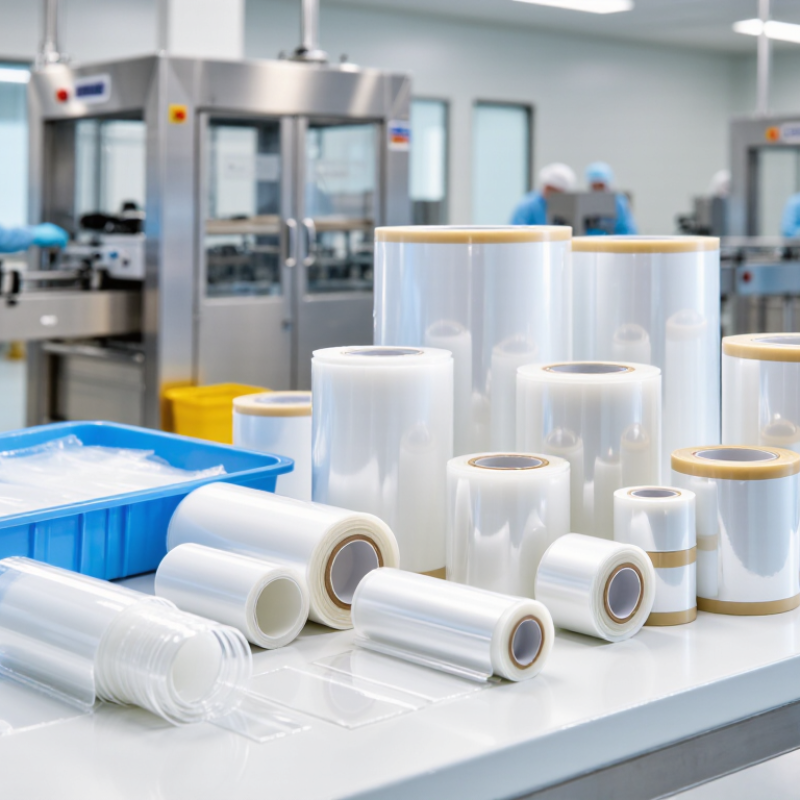
The 2026 Top Waterproof Surgical Bandages Manufacturers in China report examines a market shaped by infection control, material science, and dependable production. Hospitals need dressings that resist water, protect incisions, and remain comfortable during movement. A poor adhesive can lift at the edge. Moisture can then reach the wound.
The World Health Organization reports that surgical-site infections remain among the most frequent healthcare-associated infections worldwide. Its global guidance stresses clean procedures, suitable wound protection, and continuous quality monitoring. Grand View Research also identifies wound care as a growing global medical-products sector, supported by surgical demand, ageing populations, and outpatient treatment. These figures describe the wider market, not waterproof bandages alone. That distinction matters.
Dr. Keryln Carville, a recognised wound-care specialist, has said, “Wound care is not just about the dressing; it is about the patient.” Her principle offers a useful test for every Waterproof Surgical Bandages Manufacturer China. Product selection should consider skin sensitivity, breathability, sterile packaging, adhesion, and removal comfort. Manufacturers should also demonstrate consistent coating thickness, validated sterilisation processes, and traceable batch records.
This guide compares leading Chinese suppliers through those practical measures. It considers factory experience, export capability, certification support, customization, and delivery reliability. Product photographs can look convincing. They are not enough. Buyers should request test reports, sample evaluations, and clear technical specifications.
The comparison is not perfect. Supplier data can change, and public claims require verification. Some factories excel at volume but lack flexible medical support. Others offer strong engineering but longer lead times. That is why careful review remains essential before procurement decisions.
What Defines a Waterproof Surgical Bandage Manufacturer
A reliable waterproof surgical bandage manufacturer proves performance, rather than repeating marketing claims. The bandage should resist water during showering, handwashing, and light splashing. Its adhesive must remain secure around curved joints and moving skin. The wound pad should stay centered, dry, and breathable. These details matter in daily clinical use.
Manufacturing quality begins with controlled materials and validated production. Look for ISO 13485-based quality systems, documented lot traceability, and biological safety testing under ISO 10993. Waterproof claims should follow repeatable test conditions, including water exposure time, pressure, skin movement, and peel strength. The WHO Global Guidelines for the Prevention of Surgical Site Infection emphasize clean wound protection and consistent postoperative care. The CDC also identifies surgical-site infection as a significant patient-safety concern. A small leak can become a large problem. Data alone cannot replace practical testing.
Tips: Ask for test reports, not only certificates. Check adhesive performance after 24 hours. Inspect packaging seals and expiration controls. Request samples from different production lots. A useful audit includes the factory floor, not just paperwork. Some suppliers may pass laboratory tests yet perform poorly on sweaty or oily skin. That limitation deserves honest discussion. Temperature and humidity during storage can also change adhesion. A manufacturer that records these variables shows stronger technical discipline and more dependable experience.
The assessment model below reflects the practical criteria commonly used when evaluating manufacturers of waterproof surgical dressings. Quality and regulatory controls receive the highest weighting because waterproof performance must be consistent, safe, and traceable.
The percentage values are an editorial evaluation framework rather than market-share data. Key evidence may include ISO 13485 quality management, biocompatibility assessment under ISO 10993, sterile-barrier validation, adhesive performance, liquid-barrier testing, cleanroom manufacturing, and batch traceability.
2026 Top Waterproof Surgical Bandage Manufacturers in China
Chinese manufacturers are expanding their waterproof surgical bandage portfolios. Key products include transparent polyurethane film, nonwoven adhesive dressings, hydrocolloid pads, and silicone-based fixation tapes. These products protect incisions from splashes while allowing visual inspection. Grand View Research’s 2024 advanced wound dressings analysis identified steady global growth, supported by demand for infection-control products and minimally invasive care.
Manufacturing technology now focuses on medical-grade acrylic adhesives, low-trauma silicone layers, and controlled moisture vapor transmission rates. Automated coating lines improve thickness consistency. Optical inspection systems can detect wrinkles, pinholes, and edge contamination. Ethylene oxide sterilization remains common, although some facilities are evaluating lower-residue processes. Smithers’ medical nonwovens market outlook also highlights lightweight construction and functional coatings as important development directions. However, water resistance can reduce breathability. That trade-off still deserves more honest testing.
Tips: Check WVTR, peel strength, sterilization validation, and skin-contact safety data. Ask for test conditions, not only headline claims. A dressing that survives a shower may still loosen under sweat, movement, or oily skin. Independent laboratory reports and batch traceability provide stronger evidence than attractive packaging.
The table summarizes product categories and manufacturing technologies commonly used by Chinese surgical-bandage manufacturers. It is a technology and product comparison, not a company ranking.
| Product Category | Typical Construction | Waterproofing Technology | Wound-Contact Layer | Common Adhesive Technology | Typical Sterilization Options | Key Performance Characteristics | Typical Medical Uses | Common Compliance and Quality References |
|---|---|---|---|---|---|---|---|---|
| Transparent Film Dressing | Thin polyurethane film with a central absorbent pad or adhesive-only configuration. | Continuous polyurethane film forms a conformable moisture-resistant barrier while allowing water-vapor transmission. | Low-lint nonwoven pad or absorbent cellulose-based pad, depending on the design. | Medical-grade acrylic adhesive applied by precision coating; silicone adhesive may be selected for gentle removal. | Ethylene OxideGamma Radiation | Transparent, flexible, breathable, conformable, and suitable for visual inspection of the surrounding skin. | Catheter and cannula fixation, post-procedure protection, and coverage of superficial wounds. | ISO 13485 quality-management systems; applicable requirements of ISO 10993 for biological evaluation; applicable national medical-device regulations. |
| Waterproof Island Dressing | Water-resistant backing film, absorbent wound pad, and adhesive border. | Edge-sealed or laminated film helps prevent external water and contaminant penetration under normal use. | Nonwoven or rayon-polyester absorbent pad with a wound-facing non-adherent layer. | Hypoallergenic acrylic adhesive with controlled coating weight and patterned application. | Ethylene OxideGamma Radiation | Absorbency, protective coverage, flexible edge adhesion, and reduced pad adherence to the wound surface. | Minor surgical incisions, lacerations, abrasions, and post-injection wound protection. | ISO 13485; ISO 10993 biological-safety evaluation where applicable; validated sterilization and packaging processes. |
| Postoperative Incision Dressing | Large-format absorbent pad combined with a breathable waterproof film and wide adhesive margin. | Film lamination and perimeter adhesive design provide a liquid-resistant protective cover for closed incisions. | High-absorbency nonwoven, spunlace, or multilayer pad with a non-adherent wound-contact surface. | Medical acrylic adhesive; silicone adhesive is available for sensitive or fragile skin applications. | Ethylene OxideGamma Radiation | Higher fluid-handling capacity, conformability, low linting, and protection against external contamination. | Closed surgical incisions, orthopedic procedures, cesarean-section incisions, and general postoperative care. | ISO 13485; ISO 14971 risk-management principles; ISO 10993 evaluation as applicable; sterile barrier validation. |
| Antimicrobial Surgical Dressing | Absorbent dressing or film dressing incorporating an antimicrobial component. | Water-resistant film backing is combined with a sealed or laminated construction to limit external moisture exposure. | Nonwoven or absorbent pad; antimicrobial functionality depends on the active material and intended use. | Medical-grade acrylic adhesive or silicone adhesive, selected according to skin-contact requirements. | Ethylene OxideGamma Radiation | Protective coverage with antimicrobial performance claims that require specific formulation, efficacy, and safety validation. | Selected postoperative or high-risk wound-care applications when clinically indicated. | ISO 13485; ISO 10993; ISO 14971; applicable antimicrobial efficacy, labeling, and medical-device requirements. |
| Silicone Adhesive Dressing | Waterproof or water-resistant film backing, absorbent pad, and soft silicone adhesive layer. | Polyurethane or other medical-grade film provides a flexible barrier while maintaining breathability. | Non-adherent absorbent pad or atraumatic wound-contact mesh. | Soft silicone adhesive designed for gentle attachment and atraumatic removal. | Ethylene OxideGamma Radiation | Gentle removal, repositioning capability in some designs, reduced skin stripping, and conformability. | Fragile skin, elderly patients, repeated dressing changes, and sensitive postoperative sites. | ISO 13485; ISO 10993; adhesive performance testing; sterilization and package-integrity validation. |
| Foam Surgical Dressing | Multilayer polyurethane foam or absorbent foam with waterproof film and adhesive border. | Semipermeable waterproof top film helps resist external liquid while permitting moisture-vapor transmission. | Soft foam or non-adherent contact layer designed to manage wound exudate. | Medical acrylic or silicone adhesive, depending on the required skin-contact profile. | Ethylene OxideGamma Radiation | Enhanced cushioning, fluid absorption, moisture management, and protection from friction and pressure. | Moderately exuding wounds, pressure-sensitive areas, and postoperative sites requiring cushioning. | ISO 13485; ISO 10993; ISO 14971; absorbency, vapor-transmission, and package-integrity testing. |
| Hydrocolloid Waterproof Dressing | Hydrocolloid adhesive matrix laminated to a waterproof film backing. | External polyurethane film provides a water-resistant barrier and helps maintain a moist wound environment. | Hydrocolloid matrix directly contacts the wound or is used with a suitable wound-contact interface. | Hydrocolloid adhesive containing absorbent polymers and elastomeric components. | Ethylene OxideGamma Radiation | Moisture retention, conformability, cushioning, and absorption of low-to-moderate wound exudate. | Superficial wounds, abrasions, blisters, and selected low-to-moderately exuding wounds. | ISO 13485; ISO 10993; ISO 14971; moisture-management, adhesion, and sterilization validation as applicable. |
| Nonwoven Waterproof Bandage | Polyester or rayon-polyester nonwoven carrier with an absorbent pad and waterproof film layer. | Film-backed construction provides liquid resistance while the nonwoven carrier improves flexibility and handling. | Absorbent cellulose, rayon, polyester, or blended nonwoven pad with a non-adherent wound-contact layer. | Hot-melt or solvent-based medical acrylic adhesive, subject to validated biocompatibility and coating controls. | Ethylene OxideGamma Radiation | Soft hand feel, tear resistance, conformability, cost-efficient production, and broad size availability. | Routine wound coverage, injections, blood-draw sites, and general first-aid procedures. | ISO 13485; ISO 10993; adhesive residue and peel-performance testing; sterile packaging validation when supplied sterile. |
| Hydrophilic Film Dressing | Hydrophilic polyurethane film with an adhesive perimeter and optional absorbent center. | Hydrophilic polymer structure supports moisture-vapor transfer while resisting liquid water penetration. | Optional non-adherent pad or direct film contact, depending on the wound-care design. | Medical acrylic or silicone adhesive with controlled coating thickness. | Ethylene OxideGamma Radiation | Breathability, flexibility, transparency, and resistance to external splashes and moisture. | Catheter fixation, superficial wound protection, and low-exudate postoperative coverage. | ISO 13485; ISO 10993; water-vapor transmission, peel adhesion, and package-integrity testing. |
| Custom OEM/ODM Surgical Dressing | Customized combination of film, nonwoven, foam, hydrocolloid, adhesive, pad, release liner, and packaging. | Waterproof performance is achieved through film selection, lamination, edge geometry, and adhesive-border design. | Material and absorbency are selected according to wound type, exudate level, and intended clinical use. | Acrylic, silicone, or other medical-grade adhesive systems selected after performance and biocompatibility evaluation. | Ethylene OxideGamma RadiationNon-sterile Option | Custom dimensions, die-cut shapes, easy-open packaging, private labeling, and application-specific performance targets. | Hospital procurement, distributor programs, private-label medical supplies, and procedure-specific kits. | ISO 13485 manufacturing controls; ISO 10993; ISO 14971; applicable destination-market registration, labeling, and sterilization requirements. |

Note: Actual specifications, sterilization methods, material combinations, shelf life, and regulatory status vary by product configuration and intended market. Waterproof performance should be confirmed through product-specific validation rather than inferred from the product category alone.
2026 Top Waterproof Surgical Bandage Manufacturers in China
China’s waterproof surgical bandage sector is moving from volume production toward documented clinical performance. China’s National Medical Products Administration reported more than 2.6 million registered medical device products by the end of 2024, showing a large and competitive manufacturing base. However, waterproof bandages remain a narrow category, and public market data rarely separates them from broader wound-care products.
Industry forecasts support continued demand. Grand View Research estimates that the global advanced wound care market will expand steadily through 2030, driven by surgery, chronic wounds, and aging populations. Smithers also identifies medical adhesive films as a growing packaging and healthcare material segment. Chinese manufacturers are responding with polyurethane films, acrylic adhesives, low-trauma release liners, and breathable structures. In factory audits, buyers should inspect coating uniformity, edge sealing, peel strength, moisture vapor transmission, and packaging integrity. Small defects matter.
Leading suppliers in 2026 will likely be judged by evidence, not catalog size. ISO 13485 certification, batch traceability, biocompatibility testing, sterilization validation, and complaint records should be available for review. Many factories offer customization, yet customization can weaken consistency when process controls are immature. That risk deserves attention. Published reports often combine dressings, tapes, and surgical films, so their forecasts should not be treated as exact bandage sales. A careful comparison should include clinical-use feedback, stability data, export documentation, and realistic production lead times. Practical testing still beats impressive promises.
China’s leading waterproof surgical bandage manufacturers distinguish themselves through controlled quality systems, not attractive catalog claims. An experienced factory should show ISO 13485 certification, documented risk management, and traceable batch records. Each pouch needs a clear lot number, production date, and sterile-barrier status. Small details matter. Auditors should verify certificate scope and expiry dates, rather than accepting scanned logos.
Production capability is visible on the factory floor. Look for cleanroom zoning, calibrated coating equipment, automated slitting, and sealed packaging lines. Waterproof films should resist shower exposure while allowing suitable vapor transmission. Both properties require measured test data. Manufacturers may test adhesion on simulated skin after sweat, movement, and 24-hour wear. Sterilization validation, biocompatibility reports, and microbial-barrier testing should match the intended market. Export files may require CE documentation or other national registrations. Claims need evidence.
Reliable suppliers welcome factory audits, sample approval, and corrective-action reviews. Their quality teams should explain adhesive failure, curled edges, or damaged pouches. These defects are not theoretical. They appear during transport and repeated bending. No production line is flawless. A supplier admitting weak points may be more credible than one promising zero complaints. Buyers should compare retention data, inspection levels, complaint response times, and peak-order capacity. A polished facility helps, but consistent records prove more.
Selecting a suitable waterproof surgical bandage supplier in China requires more than comparing unit prices. Request evidence of an established quality system, such as ISO 13485 certification and controlled production records. Check whether the supplier can provide sterilization validation, biocompatibility reports, and batch traceability. These documents should match the exact material and size you plan to purchase.
Ask for samples in realistic conditions. Apply them to clean, slightly moving skin, then test adhesion after showering, sweating, and several hours of wear. Examine the film for lifting, cloudy edges, residue, or moisture trapped around the wound pad.
A reliable manufacturer should explain its waterproof testing method, adhesive composition, packaging controls, and expected shelf life. Ask for recent test reports, not only brochure statements.
Communication also reveals practical experience. Can the technical team adjust film thickness, absorbency, or package printing without losing quality? Confirm minimum order quantities, lead times, inspection procedures, and complaint response times in writing. An on-site or third-party factory audit can expose weak storage practices and inconsistent cleanliness. I once focused too heavily on price and overlooked slow sample feedback; that mistake changed my supplier checklist. Low cost is not low risk. Suppliers may also provide impressive certificates, but outdated documents create uncertainty. Leave room for a pilot order, independent testing, and a careful review of every production batch.