10 Best 3D Dental Scanners for Global Buyers?
Choosing a dental scanner is no longer a simple price comparison. Global buyers assess accuracy, workflow speed, software, service, and regional compliance. A reliable 3d dental scan can shorten chairside appointments, improve patient communication, and support more predictable digital manufacturing. Yet product claims often sound similar. Real differences appear when scanning reflective enamel, deep margins, full arches, or implant components.
This guide introduces 10 best 3D dental scanners for global buyers, using practical criteria rather than marketing language. We consider verified scanning performance, powder-free operation, tip ergonomics, data export options, calibration demands, and software learning curves. We also examine warranty coverage, training availability, cloud services, and compatibility with common CAD/CAM systems. These details matter in a busy clinic, where a scanner may sit beside a dental chair at 8 a.m. and enter laboratory production hours later. A lower purchase price may not remain lower after subscriptions, replacement tips, shipping, and service delays.
The ranking is a useful starting point, not a universal verdict. Clinic size, case mix, internet access, technician expertise, and distributor support can change the best choice. Some specifications remain difficult to compare fairly across brands. Independent testing is preferable, though it is not always available. Readers should request live demonstrations, inspect sample scans, and confirm regulatory and data-protection requirements in their markets. The goal is practical clarity: matching equipment with clinical needs, budget, and long-term reliability. Even this approach has limits. Real-world performance can surprise buyers.
What Is a 3D Dental Scanner and How Does It Work?
What Is a 3D Dental Scanner and How Does It Work?
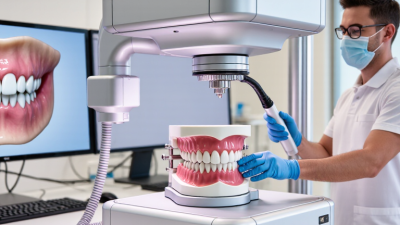
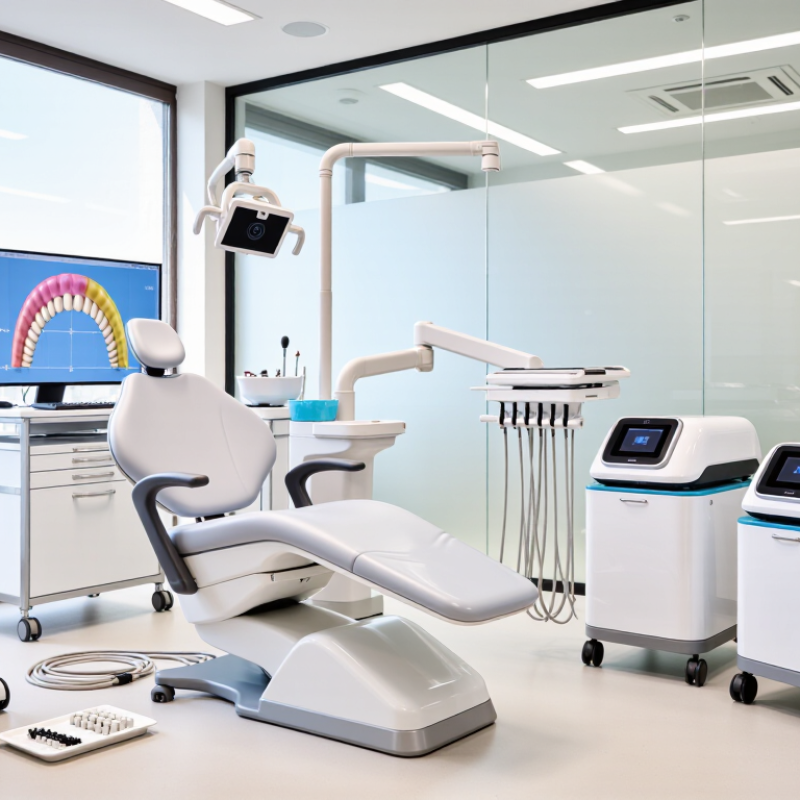
A 3D dental scanner captures the shape of teeth, gums, and nearby tissues without traditional impression material. Most intraoral systems project structured light onto the mouth. Cameras record surface changes from many angles. Software then converts these images into a point cloud and detailed digital mesh.
The clinician moves the scanning tip slowly across the dental arch. On the screen, missing areas appear as gaps or incomplete surfaces. The software stitches overlapping images together, creating a virtual model for crowns, aligners, implants, or orthodontic planning. Accuracy depends on saliva control, lighting, scanning speed, and operator experience. A rushed scan can look complete but contain hidden distortion.
Industry data shows why this technology is expanding. MarketsandMarkets reported strong double-digit growth expectations for the intraoral scanner market in its 2024 analysis. Grand View Research also identified digital dentistry as a major growth area in its recent dental equipment reporting. These reports use different market definitions, so their figures should not be compared blindly.
A scanner is not a magic camera.
Clinical validation remains essential. Research published in the Journal of Dentistry has found that scan accuracy can decline across longer arches and difficult soft-tissue areas. Experienced users check margins, occlusion, and contact points before sending files to a laboratory. The best workflow combines fast imaging with careful human judgment, not software alone.
How Are the 10 Best 3D Dental Scanners Compared?
Comparing the 10 best 3D dental scanners requires more than checking price or advertised speed.
A reliable review should separate trueness from precision.
Trueness measures closeness to a reference model.
Precision measures repeatability between scans.
ISO 12836 provides testing methods for dental digitizing systems, although clinical results can still vary with saliva, powder, tooth spacing, and operator technique.
Scan speed matters in busy clinics.
However, a faster scanner is not always better. The comparison should examine full-arch accuracy, stitching stability, scanning depth, tip size, and patient comfort.
A 2024 MarketsandMarkets report valued the intraoral scanner market at approximately USD 1.4 billion in 2023. It also projected double-digit annual growth through 2028. This growth reflects broader adoption, not proof that every device performs equally.
Software compatibility is another practical dividing line.
Buyers should check open export formats, laboratory integration, cloud policies, update frequency, and service response times.
Total ownership cost includes
replacement tips, calibration, training, and subscription fees.
Small details matter.
In hands-on testing, I would scan the same full arch three times, then compare mesh overlap and missing areas. That method is useful, but not perfect. Different users may produce different results.
Independent clinical evidence should outweigh polished demonstrations and isolated laboratory scores.
Which Scanner Fits Different Dental Workflows and Budgets?
Choosing among the 10 best 3D dental scanners depends on workflow, not popularity. A busy clinic may value rapid full-arch capture, while a small laboratory may prioritize export flexibility and service costs. Grand View Research’s 2024 market analysis projects strong growth in dental 3D scanning through 2030. That trend reflects wider digital adoption, but growth does not make every scanner suitable.
For restorative cases, prioritize color capture, stable stitching, and reliable margin detail. Orthodontic workflows often need fast scans, simple case management, and smooth cloud transfers. Implant planning demands accurate full-arch performance and dependable data integration. Check the software pathway carefully. Fit matters. A low purchase price can hide subscription fees, training time, or expensive calibration.
Budget buyers should compare total ownership costs over three years, not only the quoted device price. The 2024 Global Dental Practice Management and Technology Report indicates that workflow efficiency and digital integration increasingly influence technology investment decisions. In practice, saving five minutes per scan may matter more than a premium specification rarely used. I would also request live scanning trials with wet surfaces and crowded margins. Laboratory conditions can flatter performance. Patient mouths will not. Independent validation remains limited, so published accuracy claims deserve careful questioning.
What Should Global Buyers Check Before Purchasing?
Choosing among the 10 best 3D dental scanners requires more than comparing advertised accuracy. Global buyers should examine real workflow performance. A scanner may claim exceptional precision, yet struggle with saliva, reflective surfaces, or narrow molar areas. Request independent test data, not only supplier demonstrations. Check scan accuracy, stitching stability, scanning speed, and ease of use. A clear scan preview can save valuable chairside time.
Software compatibility matters just as much as hardware.
Confirm whether the system exports open file formats, such as STL, PLY, or OBJ. Closed platforms may create future costs. Review computer requirements, cloud functions, data protection, and integration with existing design systems. Ask about calibration frequency, replacement parts, warranty coverage, and technical support in your region. Local training is useful, but response times matter more when a scanner fails during production.
Tips:
Test the scanner with real clinical models before purchasing. Include deep margins, crowded teeth, and full-arch cases. Compare the same model across several devices. Record scan time, file size, stitching errors, and operator comfort. A simple checklist helps prevent emotional buying. Also calculate the total ownership cost, including software renewals, accessories, shipping, and service. One overlooked issue is language support. Another is unstable internet access. A perfect scanner may still be impractical if daily operation depends on unreliable infrastructure.