How to Select the Right Metal Hose Fittings for Your Needs?
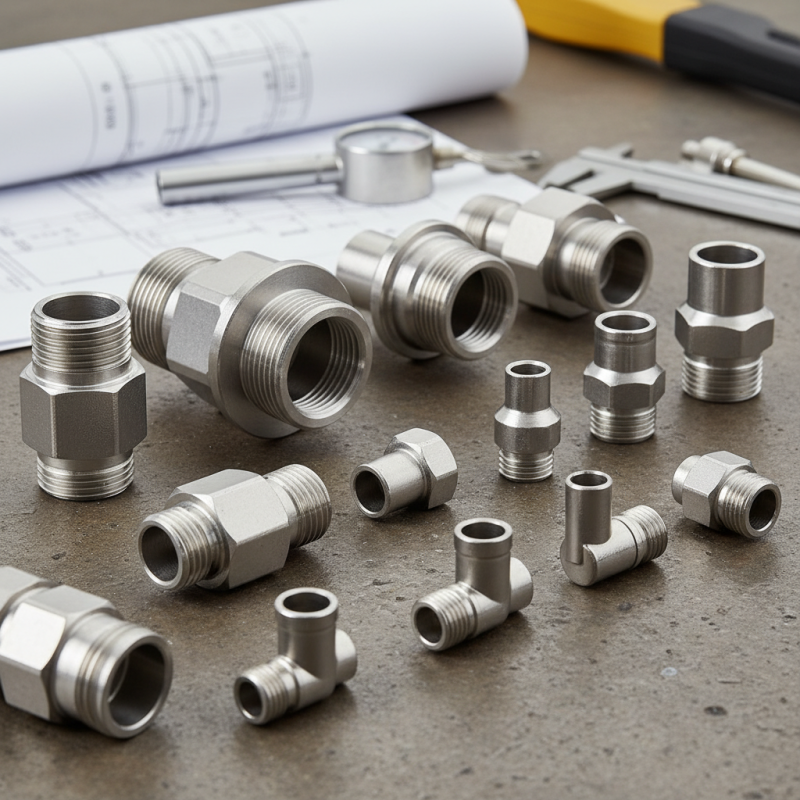
Selecting the right Metal Hose Fittings can be a daunting task. With numerous options available, understanding your specific needs is crucial. Metal hose fittings play a key role in ensuring proper connections in various applications.
When evaluating metal hose fittings, consider materials and compatibility. Stainless steel is often favored for its durability and resistance to corrosion. However, not all environments require the same type of fitting. For instance, a fitting meant for high-pressure conditions must meet strict safety standards.
Space constraints may limit your choices, making it necessary to explore compact options. The ideal fitting should support the function without compromising on quality. Remember, a small miscalculation can lead to leaks or system failures. The right metal hose fittings are essential for both safety and efficiency in your operations.
Understanding the Purpose of Metal Hose Fittings
Metal hose fittings play a vital role in various industrial applications. They connect hoses and piping systems, ensuring secure and leak-free operations. Understanding their purpose is crucial for making informed decisions. You need to consider factors like material compatibility, pressure ratings, and connection types. Proper fitting selection can enhance system efficiency and longevity.
Different environments call for unique fittings. For example, food processing may require corrosion-resistant options. These fittings must endure high temperatures and pressure levels. Metal subtype selection also depends on the fluid being conveyed. Misjudging these factors can lead to failures. It’s important to analyze your specific requirements to avoid costly mistakes.
Choosing the wrong fitting can result in leaks or equipment failure. This can disrupt operations and harm safety. Testing your fittings in your operational environment is advisable. While it might seem tedious, it helps avoid severe issues down the line. Always rely on data and expert guidance when making your selections.
Identifying the Different Types of Metal Hose Fittings
Metal hose fittings come in various types, each designed for specific applications. Understanding these types is crucial for selecting the right fittings for your needs. Common types include threaded, flanged, and quick-connect fittings. Threaded fittings provide secure connections for high-pressure systems. Flanged fittings are ideal for applications requiring easy assembly and disassembly. Quick-connect fittings offer convenience for temporary connections.
When choosing among these options, consider the environment where the fittings will be used. Think about factors like temperature, pressure, and exposure to chemicals. Each fitting type has its strengths and weaknesses. For instance, threaded fittings can sometimes be difficult to install in tight spaces. Quick-connect fittings may not be suitable for high-pressure applications.
It’s essential to assess your specific requirements carefully. The wrong fitting can lead to leaks or failures. This could impact efficiency and safety. Seek guidance from professionals when in doubt. They can provide insights based on experience and help you avoid costly mistakes. Always prioritize reliable sources when gathering information about metal hose fittings.
Evaluating Materials and Durability for Specific Applications
Selecting the right metal hose fittings requires careful consideration of materials and durability tailored for specific applications. Various industries demand specific properties in their fittings. Stainless steel, for example, offers excellent corrosion resistance. In environments where temperature extremes and chemical exposure are commonplace, this is essential. According to industry reports, over 50% of metal hose failures are attributed to material degradation due to corrosion.
Aluminum fittings are lighter and often more affordable. However, they may lack the durability seen in stainless steel. For applications involving high pressure or aggressive chemicals, a robust option like brass can perform better. A study indicated that brass fittings maintain integrity under high-stress conditions, making them a choice worth considering.
Evaluating the operating environment is crucial. Are there vibrations or potential impacts to consider? An assessment of your hose assembly's expected lifespan is recommended. Many users overlook the importance of installation practices as well. Poor installation can compromise even high-quality fittings. Taking the time to select the right material and ensuring proper handling will mitigate failures and enhance longevity.
Assessing Compatibility with Existing Equipment and Systems
Selecting the right metal hose fittings is crucial for compatibility with existing equipment and systems. Start by evaluating the materials used in your current setup. Ensure the metal hose fittings are compatible with substances they’ll be exposed to. This helps avoid corrosion and damage over time.
Check the size and threading of your existing hoses and fittings. Mismatched sizes can lead to leaks or inefficiencies. If you're unsure, consult technical specifications. Ensure the fittings can withstand the pressures of your specific application.
Tips: Measure the inside diameter of your hose. Match that with your fittings. Use gauges to assess pressure ratings as well. Visual inspection is key when evaluating the condition of your existing components. Regular maintenance can uncover potential issues, too.
Metal Hose Fittings Compatibility Assessment
Considering Pressure Ratings and Safety Standards
When selecting metal hose fittings, pressure ratings and safety standards are crucial. Understanding these factors ensures your system operates efficiently without risks. Each fitting needs to match the pressure requirements of your application. Inspect the maximum pressure rating specified by the manufacturer. This rating prevents leaks and potential failures.
Tips: Always check the compatibility of materials. Different metals react to corrosive substances differently. A mismatch can lead to catastrophic failures.
Safety standards are not merely guidelines; they are necessities. Ensure your fittings comply with local and international standards. Familiarize yourself with the relevant industry regulations. This knowledge helps you avoid future liabilities.
Tips: Conduct routine inspections on installed fittings. Regular maintenance enhances safety and longevity.
Some fittings may not meet the expected performance under certain conditions. Test them under real pressure scenarios. If possible, consult an expert on best practices. Don't overlook the importance of quality over price.
How to Select the Right Metal Hose Fittings for Your Needs?
| Fitting Type | Material | Pressure Rating (psi) | Temperature Range (°F) | Safety Standards |
| Stainless Steel | 316 Stainless Steel | 3000 | -320 to 1500 | ASME B31.1, B31.3 |
| Brass | Naval Brass | 2500 | -65 to 250 | ASTM B584 |
| Aluminum | 6061-T6 Aluminum | 1500 | -40 to 300 | MIL-A-8625 |
| PTFE | PTFE Lined | 1000 | -90 to 500 | FDA, USDA |